
Okay, so check this out—I’ve been juggling wallets for years. Wow. Managing multiple chains felt like herding cats. My instinct said there had to be a better way, and honestly, something felt off about the UX of most browser extensions out there. Initially I thought using a dozen wallets was fine. But then I realized the friction cost was draining time and increasing mistakes.
Really? Yep. I started testing a few promising extensions and one kept standing out for transaction simulation, clear gas insights, and sane multi-account flows. Hmm… there’s a subtle trust thing that happens when a wallet shows you what a transaction will actually do before you hit confirm. It reduces that heart-in-throat moment. And I’m biased, but I prefer tools that put control in my hands rather than hiding complexity.
Here’s the thing. For DeFi power users, speed and clarity matter. Short hops between chains, batching operations, previewing contract calls — these features change behavior. At first glance, many wallets advertise features; though actually, the real test is how those features behave under stress: complex swaps, manual gas, and simulation of contract interactions. My working through that led me to favor a wallet that made those workflows predictable, not mystical. (Oh, and by the way… some UX decisions that seem small end up costing dollars.)
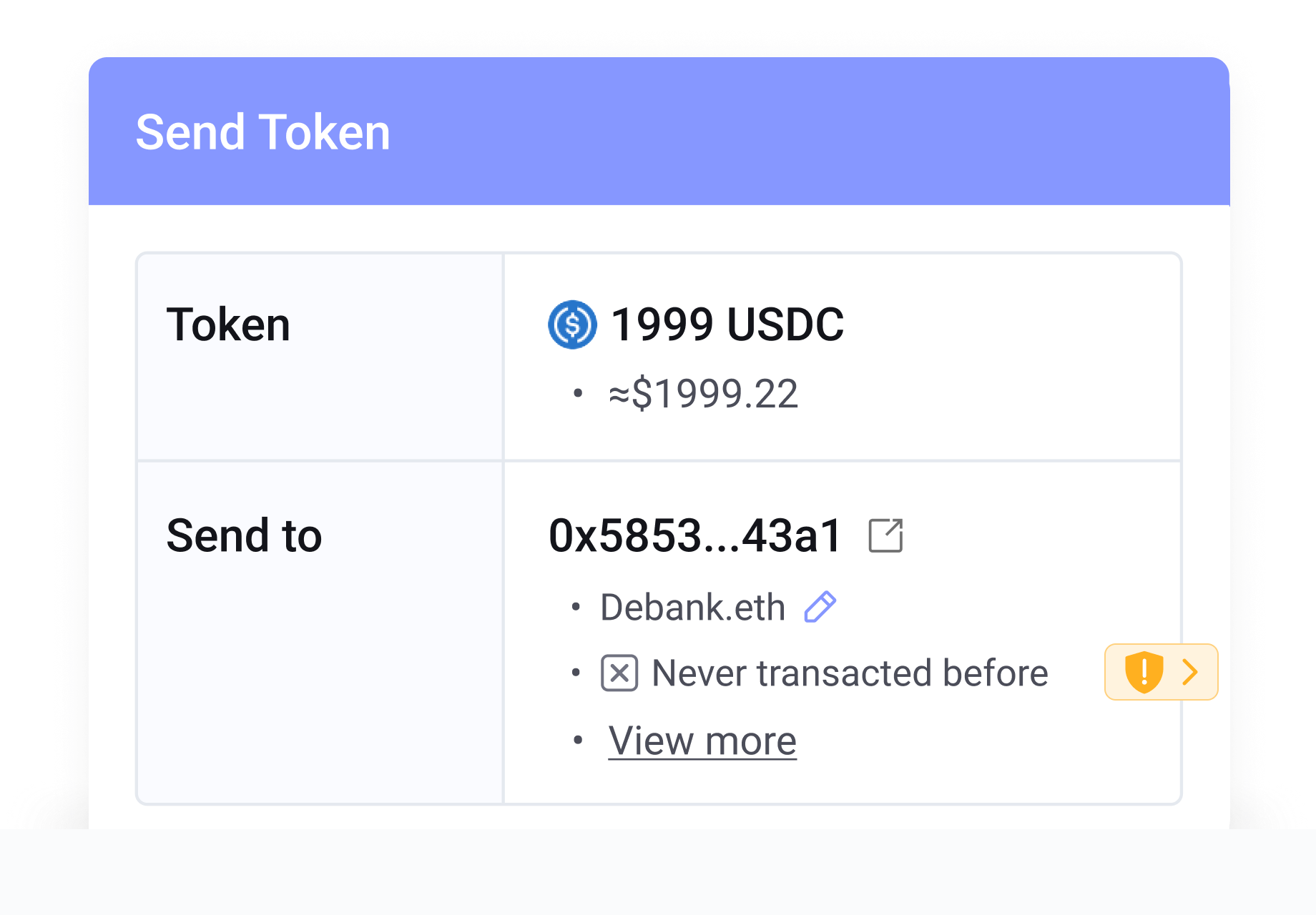
A real-world itch: why transaction simulation matters
On one hand it’s easy to shrug and say “trust the UI.” On the other hand, I’ve accidentally signed transactions that did things I didn’t expect. Initially I thought those were one-offs. But then a pattern emerged: complex DeFi trades, unexpected token approvals, sneaky slippage. My gut said, “Stop. Verify.”
Simulation gives a preview. It reveals approvals, contract calls, and potential revert reasons. It provides a second—maybe third—chance to correct a mistake. Seriously? Yes. That tiny preview has saved me small amounts of money and bigger headaches more than once. Something else: it forces better mental models. You begin to read transactions like tiny programs, not just opaque confirmation dialogs.
And practical note: when you’re bridging assets or interacting with new contracts, you want to see the outflow, the approvals, and the exact function calls. Without that you rely on hope and vendor trust, which is not a strategy in crypto. My process evolved: look first, simulate, then sign. That workflow is now non-negotiable for me.
How I install and set up a modern multi-chain extension
Walkthrough, casual style. First—download from a source you trust. I used the official link for the extension and installed from the browser store (always verify). If you prefer a single pointer, check the official page for rabby wallet for the extension download. Seriously, start there so you avoid phishing clones.
After installation, create a new account and back up the seed phrase immediately. Short tip: write it down physically. Don’t screenshot. Don’t paste into notes. My instinct said that simple ops often save you later.
Next: connect to the chains you actually use. Default lists can be noisy. Remove chains you won’t touch. Add RPCs for custom networks only when needed. On one hand you want flexibility; on the other hand, fewer networks visible means less accidental chain-hopping. Initially I had everything enabled and would switch networks by mistake—very annoying.
Finally, set up security hygiene: lock timeout, hardware wallet integration if available, and sensible permission prompts. I connect a hardware wallet for high-value moves. For daily ops I use the extension with strict simulation checks. I’m not 100% sure everyone needs a ledger every day, but for big trades? Absolutely.
What makes a wallet feel “pro” — and what to watch out for
Fast thought: speed and predictability. Slow thought: architecture and security. On one hand, a slick UI can hide poor internal design. On the other, a slightly rough interface that gives rich data is more valuable to a power user. Initially I favored polished frontends. But then I started to value transparency over polish.
Key pro features I care about: transaction simulation, multiple account/key models, hardware wallet support, custom RPCs, and clear gas controls. Another must is clear permission management—know what dApps can do with your accounts and revoke easily. Also: batch signing and nonce management. Those two are underrated until you need them.
What bugs me: wallets that auto-approve token spends with vague scopes, or show cryptic gas estimates that don’t match reality. Also, wallets that force you into a single mental model (one account = one address) when real multisig and derived accounts are the norm for pros. I want composability without surprises.
Personal workflow — how I use a multi-chain extension day-to-day
My routine is simple. Check balances. Review pending approvals. Simulate planned trades. If it looks clean, route to hardware for signing if above a threshold. Otherwise, sign in-extension but only after verifying the simulation. Quick trades under a small USD threshold I handle fast, but anything complex gets the slow, methodical treatment.
I also sandbox new dApps in a separate burner account. This limits blast radius. That practice saved me when a contract misbehaved—only the burner took damage, not my main holdings. Oh, and I maintain a tiny balance on each chain for gas; it’s annoying but saves time when you need to move quickly.
One more thing: keep a mental checklist. Approvals, slippage, recipient addresses, contract calls, and finally gas optimization. Repeat. It sounds tedious until it’s routine and then you move faster than before, with far fewer mistakes.
Common questions from DeFi power users
How do I safely download a browser wallet extension?
Download from the official site or a trusted browser store. Verify the publisher and check for community mentions. If you see multiple copies or suspicious permissions, pause. Also, search the extension ID on GitHub or forums—odd mismatches are red flags.
Is transaction simulation necessary?
Short answer: yes, for advanced interactions. Simulation reduces surprises by showing contract calls and potential reverts. It’s particularly useful for complex swaps, bridging, or any contract-based interaction where a small mistake can cost a lot.
What security steps should I take after installing?
Back up your seed offline, enable hardware wallet integration for large funds, set short lock timeouts, and audit connected dApps regularly. Revoke unnecessary approvals and keep RPC endpoints minimal and trusted.
I’ll be honest—I don’t claim this is the only way. There’s nuance. On one hand, tools change fast; on the other hand, the fundamentals of safe behavior don’t. My takeaway: choose a wallet that surfaces complexity carefully, gives you previews, and supports the ecosystems you use without being needy about permissions. If you want a starting point, the official extension page for rabby wallet is worth a look.
So yeah—curious, cautious, and a little excited. Try it, test it on small moves, and build your own muscle memory. Things that feel slow at first become time-savers later, and that peace of mind? Priceless. Hmm… maybe that’s why I keep coming back to wallets that act like tools for builders, not just flashy consumer apps.